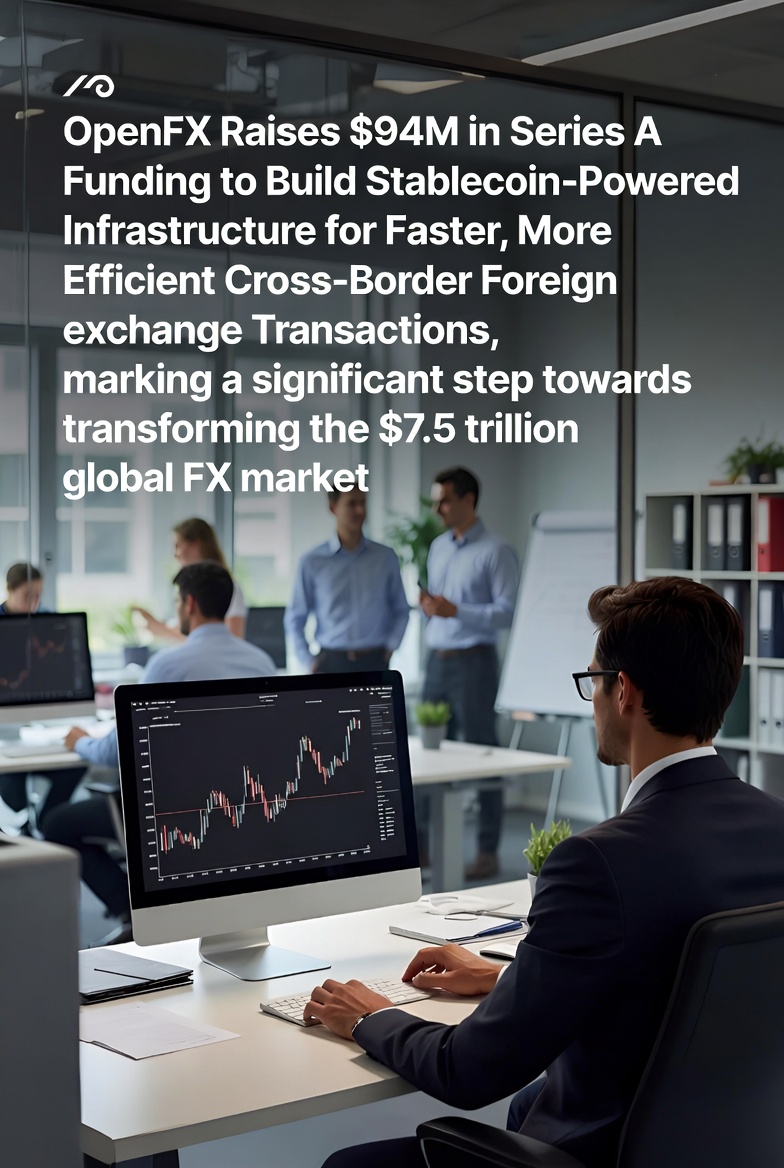
Venture investors are increasingly backing projects that merge artificial intelligence and cryptocurrency, moving away from pure crypto plays.
In 2025, 40 cents of every VC dollar invested in crypto companies went to AI-crypto hybrids—more than double the 18 cents per dollar in 2024.
VCs are clearly voting for AI-crypto combinations. As agent infrastructure scales in 2026–2027, this trend could mark the early stages of a true machine economy.
This mirrors a broader AI boom: AI startups raised about $242 billion in Q1 2026 alone, representing roughly 80% of global venture funding. Gartner forecasts total AI spending will reach $2.52 trillion for the year.
AI is moving from a parallel narrative to core crypto infrastructure. Crypto firms are adopting AI faster than traditional finance, shifting from simple AI co-pilots (data analysis tools) to AI agents—autonomous systems that monitor, decide, and execute actions on their own.
Major initiatives are building an “agent-to-agent” economy:
- Ant Group launched Anvita, enabling AI agents to hold assets, coordinate tasks, and settle crypto payments with minimal human input.
- Coinbase introduced the x402 protocol for instant stablecoin micropayments over the web.
- Visa unveiled the Trusted Agent Protocol for secure agent-based commerce.
Stablecoins serve as the perfect bridge for machine-to-machine transactions: programmable, fast, and low-cost.
Capital is flowing into decentralized compute networks, AI agent payments, machine learning marketplaces, and on-chain verification tools. Pure speculative crypto projects are seeing relatively less interest.
The convergence offers a powerful flywheel—AI gains reliable financial rails, while crypto gains real utility through intelligent agents.
Challenges remain, including technical integration, regulatory uncertainty around agents and stablecoins, and the risk that hype outpaces execution.
Bottom line: VCs are clearly voting for AI-crypto combinations. As agent infrastructure scales in 2026–2027, this trend could mark the early stages of a true machine economy.