
Russia has introduced a new cryptocurrency regulation that significantly limits retail investor participation, capping annual crypto purchases at approximately $3,300. The move signals a strategic shift in how the country intends to manage digital asset markets—prioritizing stability, oversight, and institutional involvement over unrestricted retail access.
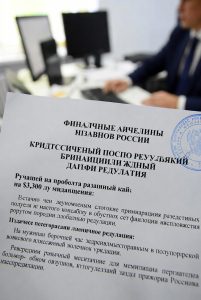
Russia’s new crypto regulation limits retail investor purchases to $3,300 annually, aiming to control market volatility and oversight.
A Controlled Approach to Crypto Markets
The new policy reflects growing concerns among Russian regulators about market volatility and the risks associated with speculative trading. By imposing a strict ceiling on how much individuals can invest annually, authorities aim to reduce exposure to sudden price swings and potential financial losses among retail participants.
This approach mirrors a broader global trend where governments are tightening control over cryptocurrency markets, seeking to strike a balance between innovation and financial stability.
Boosting Institutional Participation
While retail investors face new constraints, the regulation may open the door for increased institutional engagement. By limiting smaller, potentially more volatile trades, Russia could be positioning its crypto ecosystem to attract larger, more stable capital flows from institutional players.
Institutional investors typically operate under stricter compliance frameworks and bring greater liquidity, which could help stabilize the market over time. This shift may ultimately reshape the structure of Russia’s crypto landscape, making it more predictable and regulated.
Implications for Retail Traders
For everyday investors, the new cap represents a significant limitation. Active traders who previously relied on frequent transactions and larger positions will need to adjust their strategies or seek alternative markets.
There is also the possibility that such restrictions could drive some users toward offshore platforms or decentralized exchanges, potentially undermining the very oversight the regulation aims to enforce.
A Signal of Broader Policy Direction
Russia’s move underscores its cautious stance toward cryptocurrencies. Rather than embracing a fully open market, the country appears to be building a tightly controlled environment where risk is managed and capital flows are more predictable.
As global regulatory frameworks continue to evolve, Russia’s model could serve as a case study for other nations grappling with how to integrate cryptocurrencies into their financial systems without compromising stability.