
AI Summary:
OpenAI is reportedly in advanced talks to secure electricity from Helion Energy, a nuclear fusion startup backed by Sam Altman. The move highlights the growing need for sustainable energy solutions to power AI infrastructure.
OpenAI is exploring a potential energy deal with Helion Energy, signaling a strategic shift toward cleaner and more scalable power sources for artificial intelligence operations.
According to PANews, discussions between OpenAI and Helion have reached an advanced stage, with both sides considering a long-term electricity supply agreement. The initiative reflects rising concerns across the tech sector about the environmental impact and energy demands of large-scale AI systems.
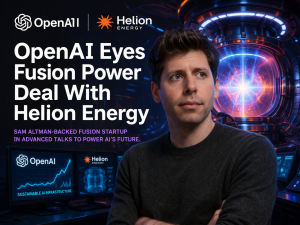
OpenAI is in advanced talks with Helion Energy to secure fusion power, highlighting the push for sustainable energy solutions in AI infrastructure.
Powering AI With Fusion
Helion Energy, backed by Sam Altman, is developing nuclear fusion technology designed to deliver carbon-free electricity. Unlike traditional nuclear fission, fusion aims to replicate the sun’s energy process—offering the promise of abundant, clean, and efficient power without long-lived radioactive waste.
If successful, this partnership could position OpenAI at the forefront of sustainable AI infrastructure, reducing reliance on fossil fuels while supporting the massive compute requirements behind advanced models.
A Growing Industry Trend
The talks highlight a broader trend: major tech firms are increasingly aligning with next-generation energy providers to secure reliable and environmentally friendly power.
As AI adoption accelerates, so does its energy footprint. Data centers powering AI models consume vast amounts of electricity, prompting companies to seek innovative solutions that balance performance with sustainability.
Strategic Implications
A deal with Helion would not only provide OpenAI with a potential long-term energy advantage but also reinforce its commitment to responsible innovation. For Helion, partnering with a leading AI company could validate its technology and accelerate commercial deployment.
While details of the agreement remain undisclosed, the collaboration underscores a key reality: the future of AI may depend as much on breakthroughs in energy as it does on advances in algorithms.