
Iran has warned that global oil prices could surge to as high as $200 per barrel after its week-long blockade of the Strait of Hormuz severely disrupted traffic through one of the world’s most important energy corridors.
According to NS3.AI, transit through the narrow waterway — which normally carries a significant portion of the world’s oil shipments — has dropped to just 5% of its usual levels. The sudden disruption triggered a sharp reaction in energy markets, with oil prices jumping from $67 to $120 per barrel within three days before easing back to around $95 on Thursday.
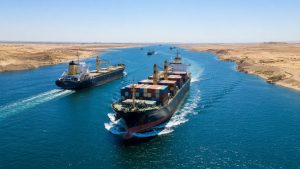
Energy analysts caution that a prolonged blockade could trigger a broader economic shock.
The Strait of Hormuz is widely considered one of the most strategically important chokepoints in global trade, connecting the oil-rich Gulf region to international markets. Any disruption to shipping through the strait can quickly affect global supply chains and fuel prices.
Analysts say the impact is likely to be felt most strongly in Asian economies, many of which rely heavily on crude oil shipments passing through the route. Countries across the region depend on the strait for a large share of their energy imports, making them particularly vulnerable to prolonged disruptions.
A sustained spike in oil prices could ripple across the global economy, raising energy and transportation costs while putting pressure on consumer spending and business activity. Economists warn that extended volatility in energy markets could also weigh on corporate revenues, employment levels, and equity markets.
With tensions still unfolding in the Gulf region, energy traders and policymakers are closely monitoring developments, as any prolonged blockade of the Strait of Hormuz could deepen the shock to global energy markets and increase the risk of broader economic fallout.